
Articles
Strategic pathways to clean ammonia: Lessons from full and partial decarbonization
Ammonia production is facing increasing scrutiny as decarbonization becomes a global imperative. However, most operating plants were designed initially around steam methane reforming (SMR), with limited provisions for cleaner alternatives. To remain competitive and environmentally compliant, producers are turning to targeted retrofits, system integration and process optimization to enable the use of low-carbon hydrogen (H2). Core units—such as synthesis loops, compression trains and heat recovery systems—can be modified to handle blue or green H2 without significant disruption. This article presents actionable insights from a full-conversion project in Europe and three partial-transition cases in the U.S., highlighting phased, cost-conscious approaches that reduce emissions while leveraging existing infrastructure.
Overview of study cases. This article presents four techno-economic evaluations conducted by the author’s company, each offering a distinct perspective on clean ammonia transition strategies. The case studies span full-scale conversions and partial integrations, reflecting a range of plant configurations, regional drivers and decarbonization approaches.
- Case 1: Full conversion from gray to clean ammonia for a legacy plant in Europe. A comprehensive redesign of an existing ammonia synthesis loop was undertaken to enable operation exclusively on clean H2, sourced primarily from the European Hydrogen Backbone (EHB) pipeline and supplemented by over-the-fence (OTF) H2 from urban solid waste (USW) gasification. The study evaluated major retrofits, including the installation of a new purification system to remove trace impurities and the complete phase-out of conventional reforming and carbon dioxide (CO₂) capture systems. Key regulatory and infrastructure drivers for this full-scale transition are discussed in detail later in the article.
- Case 2: Green H2 and oxygen integration to debottleneck a new U.S. facility. At a newly built U.S. ammonia plant equipped with cryogenic purification technology, the author’s company investigated injecting green H2 and moderate oxygen enrichment to alleviate specific bottlenecks. These included overloaded arch burners, elevated tube metal temperatures in the SMR unit and limitations in the cryogenic purifier. The integration strategy aimed to reduce carbon intensity, improve reliability and achieve a modest increase in ammonia production.
- Case 3: Partial green H2 and oxygen integration in a legacy U.S. plant. A legacy ammonia facility explored integrating green H2 and moderate oxygen enrichment via a 20-MW electrolyzer system. While the oxygen-enrichment pathway was ultimately deemed uneconomical due to the need for a dedicated compressor, the plant successfully implemented green H2 injection. As an early adopter, the facility implemented the project despite the absence of IRA (U.S. Inflation Reduction Act) incentives, viewing the investment as essential for sustaining its leadership in lower‑carbon ammonia.
- Case 4: Green H2 integration to expand capacity in a small U.S. plant. A smaller U.S.-based ammonia plant evaluated injecting green H2 to increase production by approximately 20% while reducing carbon intensity. The plant had already installed a new converter rated at 120% capacity but was constrained by limited syngas supply from the front end. Key drivers included the high cost of trucked-in ammonia (~20% of total output) and the availability of competitively priced green H2. Multiple nitrogen sourcing options were assessed, with OTF supply emerging as the most cost-effective solution.
Divergent policy frameworks: Europe vs. the U.S. The case studies presented reflect fundamentally different regulatory environments shaping project investment decisions. Europe's approach integrates financial support with emissions cost structures—the EU Emissions Trading System (ETS) assigns direct costs to carbon emissions. At the same time, the Carbon Border Adjustment Mechanism (CBAM) establishes border adjustments affecting imported products. This dual framework creates economic drivers influencing capital allocation toward lower-carbon production pathways.
In contrast, the U.S. policy landscape emphasizes incentive-based mechanisms, such as IRA tax credits, without parallel mechanisms to consider emissions costs. This approach creates conditions where projects may be deferred during periods of policy uncertainty, as observed in several examined cases. The absence of direct emissions costs means existing production methods face no incremental financial obligations based on carbon intensity, affecting the comparative economics of capital-intensive facility modifications relative to continuing current operations—even where incentives are available.
These differing policy architectures influence both the pace and scale of decarbonization investments, with implications for competitive positioning as global ammonia markets evolve toward lower-carbon-intensity products.
Case 1: Drivers for full-scale conversion at a European location. Europe’s clean ammonia transition is driven by tightening carbon policy and expanding H2 infrastructure. The inclusion of H2 under the EU ETS—with carbon prices at €80 t/CO2–€90 t/CO2—and the upcoming CBAM mechanism are raising the cost of unabated production and imports.
While initiatives such as REPowerEU and the EHB are advancing the deployment of electrolyzers and pipeline connectivity, high gas prices and funding delays have slowed progress. Still, a phased conversion strategy—anchored in robust conceptual and process design—can minimize facility modifications and reduce capital intensity. For producers, this approach provides a pragmatic path to lower carbon exposure, aligns with regulatory trends and enables access to emerging low-carbon markets.
Full conversion from gray to clean ammonia for a legacy plant in Europe.
Existing ammonia plant. The facility under study is a legacy ammonia plant constructed in the 1980s and currently operating at approximately 1,600 metric tpd using natural gas as the primary feedstock. The plant follows a conventional process flow scheme, as illustrated in FIG. 1.
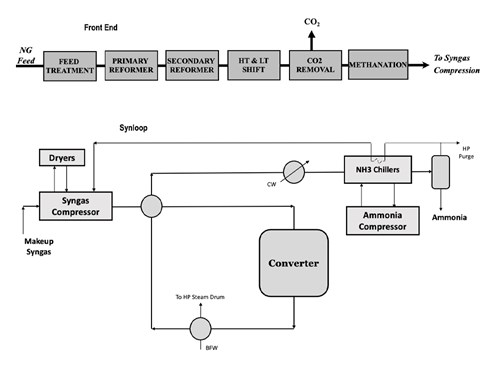
FIG. 1. Existing ammonia plant configuration from Case 1.
The existing steam system is also traditional in design. The syngas compressor turbine is driven by high-pressure (HP) steam, supplied from a header operating at approximately 124 bar. Meanwhile, the process air compressor turbine and the ammonia refrigeration compressor turbine are both connected to a medium-pressure (MP) steam header, operating at around 40 bar.
This baseline configuration served as the foundation for evaluating the technical and economic feasibility of a complete conversion to clean ammonia production using low-carbon hydrogen feedstocks.
H2 and nitrogen sourcing. The clean ammonia facility will utilize two distinct hydrogen feed sources:
- OTF H2 produced via USW gasification, available from an adjacent third-party supplier.
- Pipeline-supplied H2 delivered through the EHB network, expected to come online in alignment with the pipeline’s phased commissioning schedule.
The USW-derived H2 will be available in limited quantities, sufficient to support approximately 35%–40% of the plant’s total ammonia production capacity. The EHB pipeline will meet the remaining H2 requirement as infrastructure becomes operational.
Nitrogen feed will be supplied OTF via a dedicated pipeline from a nearby air separation unit (ASU), ensuring consistent purity and pressure for integration into the synthesis loop.
Feedstock quality. The H2 supplied via pipeline originates from diversified production sources and contains trace levels of several contaminants that must be addressed before synthesis. Key impurities identified in the feed include:
- Chlorides
- Inorganic sulfur
- Carbon monoxide (CO)
- CO2
- Oxygen
- Formic acid
- Formaldehyde.
These impurities pose a risk to both catalyst performance and the integrity of downstream equipment. In particular, sulfur compounds and CO are known catalyst poisons, while chlorides can contribute to corrosion and fouling. Effective purification strategies are crucial to reduce these contaminants to levels compatible with the specifications of ammonia synthesis catalysts and ensure long-term plant reliability.
Key challenges and mitigation.
- H2 purification
- H2 availability
- Compressor configurations
- Synthesis loop (synloop) re-rating and reconfiguration
- Steam system
- Economic justification.
The listed impurities in the H2 are poisonous to the synthesis catalyst and must be removed well below acceptable limits. The following challenges were posed for the design of the new H2 purification system:
- A viable and cost-effective method for removing formic acid and formaldehyde was unavailable. Additionally, leading catalyst vendors lacked prior experience with these compounds, and the industry's understanding of their behavior within the ammonia production process remains limited. A layer of a specialized adsorbent was proposed for addition to existing dryers to partially mitigate trace levels of formic acid and formaldehyde.
- A limited degree of H2 feed preheat (< 260°C) due to the unavailability of HP steam. This means that the conventional catalysts used in ammonia plant feed purification cannot be used to remove the impurities. Alternative lower-temperature catalysts were reviewed and carefully configured, incorporating numerous feedback points from different catalyst suppliers.
- To minimize the cost, the existing desulfurizers and methanation vessels were intended to be reused.
A limited supply of feed H2 for an extended period also posed a challenge for selecting the syngas compressor configuration.
Considering the low turndown requirements for the syngas compressor over an extended period and the cost of additional power consumption in the recycle mode of operation, the cost-benefit analysis suggested using two 50% syngas compressors. Furthermore, it was also determined that the amount of MP superheated steam production within the synloop will permit the operation of one 50% syngas compressor on the steam driver. This combination also provides greater operational flexibility and improved reliability.
Challenges of synloop re-rating and reconfiguration. The transition of the ammonia synloop from conventional methane (CH4)-based syngas—typically containing substantial levels of inert components such as argon and CH4—to a stoichiometric blend of high-purity H2 and nitrogen introduces a suite of complex process and engineering challenges. The virtual elimination of inert materials significantly impacts both the catalyst bed's thermodynamic equilibrium and kinetics, as well as the overall hydraulic assessment of the synloop. Changes in circulation rate affect heat exchanger duties, system pressure drops and the turndown capability of syngas compressors.
Elevated reactant partial pressures in the feed stream shift the equilibrium conversion, enhancing ammonia yield per pass. However, this gain also requires recalibrating the reactor temperature profile and re-rating to mitigate risks, such as catalyst sintering or localized hotspots. A thorough evaluation of equilibrium and kinetics performance, hydraulics of the synloop and the mechanical integrity of existing equipment—originally engineered for higher inert dilution and different gas compositions—is essential.
The author’s company undertook a comprehensive re-rating of the entire synloop across all projected operating scenarios, including a detailed kinetics assessment of the converter beds. This resulted in the optimization of critical operating parameters, including inert concentration, pressure, circulation rate, bed temperature profiles, pressure drop behavior, heat exchanger loads and compressor performance (for both syngas and ammonia services). Catalyst bed profiles were further validated through collaboration with all major catalyst suppliers to ensure the desired temperature profiles and ammonia production rates were achievable.
Key variables—including inert levels, circulation rate, ammonia conversion and operating/pressure drop characteristics—were mapped across both normal and turndown modes for clean ammonia production and benchmarked against baseline gray ammonia operations, as shown in FIG. 2.
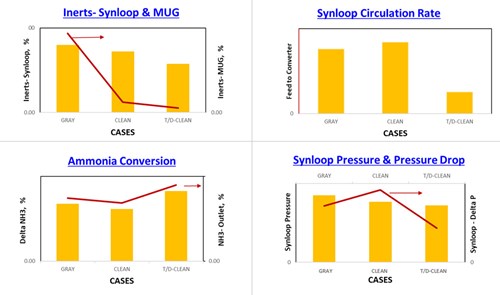
FIG. 2. Key variables-synloop. Source: KPI.
In addition to process refinements, the configuration was modified to accommodate superheated-steam generation for the compressor drivers. This involved replacing the existing HP boiler feedwater exchanger with a new MP steam generator coupled with a superheater.
New plant configuration. In the revamped configuration, most of the front-end equipment from the legacy ammonia plant was decommissioned. However, several components—including the existing desulfurizers, methanation vessels and selected heat exchangers—were successfully repurposed within the new feed purification unit designed for blended H2 and nitrogen streams. Major modifications to the synloop, illustrated in FIG. 3, include:
- The reconfiguration of the syngas compression system with two new 50% capacity compressors—one steam-driven and the other motor-driven—for operational flexibility and improved turndown performance.
- The installation of an MP steam generator and superheater by replacing the HP boiler feedwater exchanger within the synloop.
- The addition of a new feed preheater in the purification section, utilizing steam to optimize feed temperature before synthesis.
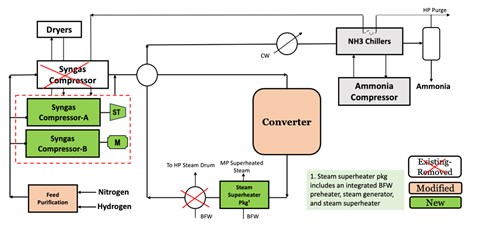
FIG. 3. New synloop configuration for Case 1.
Steam system. The redesigned steam system is thermally balanced to minimize external steam import. MP superheated steam is generated within the synloop and used to drive one of the new syngas compressors. The ammonia refrigeration compressor turbine is also powered by MP steam, ensuring efficient energy utilization across the cycle. A minimal amount of steam is imported for a heat-integrated feed purification section.
Specific energy consumption. The specific energy consumption for clean ammonia production is estimated to be approximately 16% lower than that of the existing plant (on a higher-heating-value basis). This figure accounts for the energy content of the H2 feed, power required for nitrogen production, steam import/export credits and auxiliary power consumption (e.g., pumps).
Carbon emissions. Scope 1 carbon emissions for the clean ammonia configuration are projected to be < 0.2% of those from the existing plant. For reference, the current facility emits approximately 1.8 metric tons of CO₂ per metric ton of ammonia produced. This dramatic reduction underscores the decarbonization potential of complete H2 substitution and process electrification.
Economic justification. The economic rationale for complete conversion to clean ammonia production is reinforced by a convergence of regulatory, financial and infrastructure developments across Europe. Stringent environmental policies—principally the tightening of the EU ETS and the phased implementation of the CBAM—are driving substantial increases in the cost of carbon-intensive production. With carbon prices already exceeding €80 t/CO2–€90 t/CO2 and free allowances scheduled for progressive phaseout, legacy ammonia plants face escalating compliance liabilities under the EU ETS that directly erode competitiveness over the project’s operating life.
Notably, the CBAM transitional phase (2023–2025), during which importers reported embedded emissions without financial settlement, concluded at the end of 2025. As of January 1, 2026, the definitive CBAM regime has entered into enforcement, requiring importers of ammonia to purchase and surrender CBAM certificates, reflecting the verified carbon intensity of their product. This marks the beginning of full carbon-cost convergence between domestic EU producers subject to the ETS and extra-EU suppliers exposed to the CBAM.
As illustrated in FIG. 4, the economic impact of the definitive CBAM regime becomes substantial as both the carbon price and the CBAM phase-in factor increase. FIG. 4 assumes an EU allowance price trajectory increasing from €90/t CO₂ in 2026 to €180/t CO₂ by 2034, applied across three representative ammonia carbon intensities—2.8 t CO₂/t ammonia, 2 t CO₂/t ammonia and 1.6 t CO₂/t ammonia. Under these assumptions, high-emissions ammonia imports face CBAM liabilities exceeding €400/t ammonia by 2034, while cleaner imports incur proportionally lower charges. This widening differential strengthens the competitiveness of deeply decarbonized European ammonia facilities relative to gray imports.
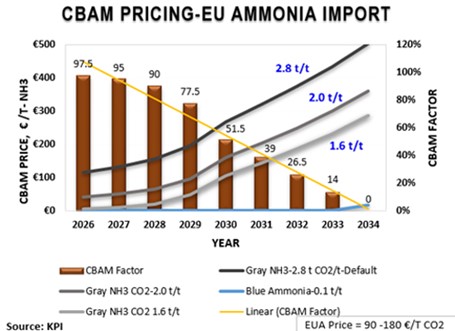
FIG. 4. CBAM pricing. Source: KPI.
Simultaneously, the expansion of Europe’s H2 infrastructure, including the emerging EHB, is improving access to low-carbon H2 at scale. Supported by EU and national incentive mechanisms, these developments reduce long-term carbon-cost exposure and enhance project bankability. Within this context, transitioning to clean H2 feedstock—via OTF supply and future EHB connections—provides a strategically robust pathway to market resilience and enduring competitiveness in the European ammonia sector.
Case 2: Green H2 and oxygen integration to debottleneck a new U.S. facility. This U.S.-based ammonia plant, operating at approximately 2,540 metric tpd (~115% of nameplate capacity), features a modern configuration that includes a cryogenic purifier for removing inert gases and excess nitrogen from the syngas stream. During the initial evaluation, the author’s company identified several systems operating beyond their design limits—most notably the cryogenic purifier and the arch burners. Overfiring of the arch burners posed a reliability risk to the radiant tubes. At the same time, the overloaded cryogenic purifier resulted in increased purge gas losses to the fuel system, thereby reducing overall energy efficiency.
As part of a broader decarbonization initiative, the facility proposed installing a 20-MW electrolyzer to integrate green H2 into the process. The primary objective was to reduce carbon emissions and leverage the available incentives to establish a viable economic case. Given the limitations of the arch burners and the cryogenic purifier, the author’s company recommended a combined strategy: injecting green H2 downstream of the purifier and moderate oxygen enrichment.
The following are key findings from the study:
- Arch burner firing could be reduced by ~9%, bringing operation well within design limits.
- Radiant tube outlet temperatures decreased by ~19°F, with even greater reductions in tube metal temperatures, enhancing reliability and extending tube life.
- Cryogenic purifier loading was reduced, resulting in lower inert gas content in the make-up gas and a corresponding decrease in purge rate.
- Post-combustion CO₂ emissions were reduced by ~9%. Additional CO₂ emissions from the auxiliary boiler (used to offset a minor MP steam shortfall) were fully accounted for in the net emissions balance.
- Feed and fuel consumption decreased by ~0.35 gigajoules per metric ton (GJ/t) compared to the base case.
- Oxygen injection was deemed feasible without a dedicated compressor based on commercial precedent. However, if a separate compressor was required, the economic viability of oxygen enrichment would be compromised.
Regarding the project’s status, the electrolyzer project is currently on hold due to uncertainty surrounding the long-term availability of potential incentives.
Case 3: Partial green H2 integration in a legacy U.S. plant. This legacy U.S.-based ammonia facility, operating at 1,640 metric tpd, evaluated the partial integration of green H2 and oxygen from a 20-MW electrolyzer system to reduce carbon intensity and modestly increase production. The study, conducted by the author’s company, shared similar objectives with Case 2, though without the added benefits of cryogenic purification.
The project drivers included:
- Initiating decarbonization through partial integration of green H2.
- Gaining operational experience with green ammonia production technologies.
- Leveraging federal and state incentives under the U.S. IRA to establish a viable business case.
The plant investigated injecting green H2 downstream of the methanator, along with moderate oxygen enrichment. However, the requirement for a dedicated oxygen compressor significantly increased capital and operating costs (CAPEX/OPEX), rendering the oxygen enrichment pathway economically unfeasible.
Despite shelving the oxygen integration, the facility successfully implemented green H2 integration using the 20-MW electrolyzer system. As an early mover, the plant was well-positioned to capitalize on state-level incentives, enabling a commercially viable transition. The project also yielded valuable operational insights into the handling and integration of green H2 within a legacy ammonia framework.
Case 4: Green H2 integration to expand capacity in a small U.S. plant. This U.S.-based ammonia facility, operating at 500 metric tpd, features a high-pressure synthesis loop (> 280 bar) and reciprocating compressors. The plant recently installed a new, high-efficiency converter rated for approximately 120% of its nameplate capacity. However, the front-end reforming section remains unmodified. To capitalize on the converter’s latent capacity, the plant pursued a third-party offtake agreement for green H2, aiming to expand production without major front-end upgrades.
The project drivers included:
- Replacing ~100 metric tpd of trucked-in ammonia with onsite production to reduce logistics costs.
- Leveraging U.S. IRA incentives to lower carbon intensity and improve project economics.
- Utilizing existing downstream capacity to minimize capital investment and operational disruption.
The author’s company conducted a detailed evaluation of green H2 integration strategies to support an additional 100 metric tpd of ammonia production. The study also assessed nitrogen supply options, including front-end upgrades and onsite generation via pressure swing adsorption and cryogenic systems.
Key findings included:
- OTF nitrogen supply emerged as the most cost-effective solution, offering the lowest CAPEX, minimal production loss and the shortest turnaround time.
- The integration strategy avoids overloading the existing reformer and compression systems, enabling a streamlined capacity increase.
While technically viable and economically attractive under current policy frameworks, the project is currently under review due to uncertainty surrounding the long-term availability of IRA incentives. Alternate pathways are being explored to maintain project momentum.
Key takeaways: Strategic pathways for ammonia decarbonization.
- Regional policy frameworks shape project economics differently. Europe's combination of carbon pricing and border adjustment mechanisms creates stronger economic drivers for conversion than incentive-based approaches, which are more sensitive to policy continuity.
- Phased integration strategies reduce implementation risk. Partial H2 blending enables emissions reduction while addressing operational bottlenecks and developing institutional knowledge, preserving flexibility for future expansion without large-scale infrastructure replacement.
- H2 purity requirements present technical challenges. Pipeline-sourced H2 may contain trace contaminants that require specialized purification approaches, including low-temperature catalysts and novel adsorbent configurations not commonly used in conventional ammonia production.
- Synloop modifications require comprehensive evaluation. Transitioning to stoichiometric H2/nitrogen significantly affects equilibrium behavior, circulation dynamics and thermal management, necessitating a detailed assessment of converters, heat exchangers and compression systems.
- Compression and steam system design impacts operational flexibility. Split-capacity configurations with diverse driver options support variable H2 availability and enable stable performance across a wider operating range.
- Oxygen enrichment economics depends on existing infrastructure. Moderate enrichment provides debottlenecking benefits where compression capacity exists: a standalone implementation is typically cost-prohibitive.
- Market dynamics favor early adopters. Expanding carbon cost mechanisms and tightening emissions regulations suggest growing economic advantages for facilities that complete decarbonization retrofits ahead of regulatory timelines.
Connect with H2Tech
