
Articles
Hyzon Motors set to merge, ahead of listing
Hyzon Motors, a hydrogen fuel cell heavy vehicle company, has announced plans to go public via a merger with Decarbonization Plus Acquisition Corporation (DCRB).
DCRB, an investment vehicle affiliate of multinational private equity firm Riverstone Holdings, will combine businesses with Hyzon in a $2.1bn deal. Upon completion, the company will have up to $570mn of cash on its balance sheet. New York state-based Hyzon forecasts that its revenue will grow from $37mn on 85 units sold in 2021 to $3.3bn in revenue on nearly 10,000 units sold during 2025. The new entity is expected to list on Nasdaq.
DCRB says Hyzon’s revenue model was what made the company so attractive for a merger. It is not dependent on the buildout of a national or continental network of hydrogen infrastructure. Its near-term sales pipeline is 80pc in Asia, Australia and Europe, where hydrogen is far more advanced than in the US.
“Hyzon has plenty of near-term demand to tap into” Knight, Hyzon
Hyzon’s business is selling trucks; its customers have already sourced and captured their hydrogen fuel supply. Deliveries of Hyzon fuel-cell powered heavy trucks to customers in Europe and North America will happen this year, which Hyzon says is well in advance of its competitors.
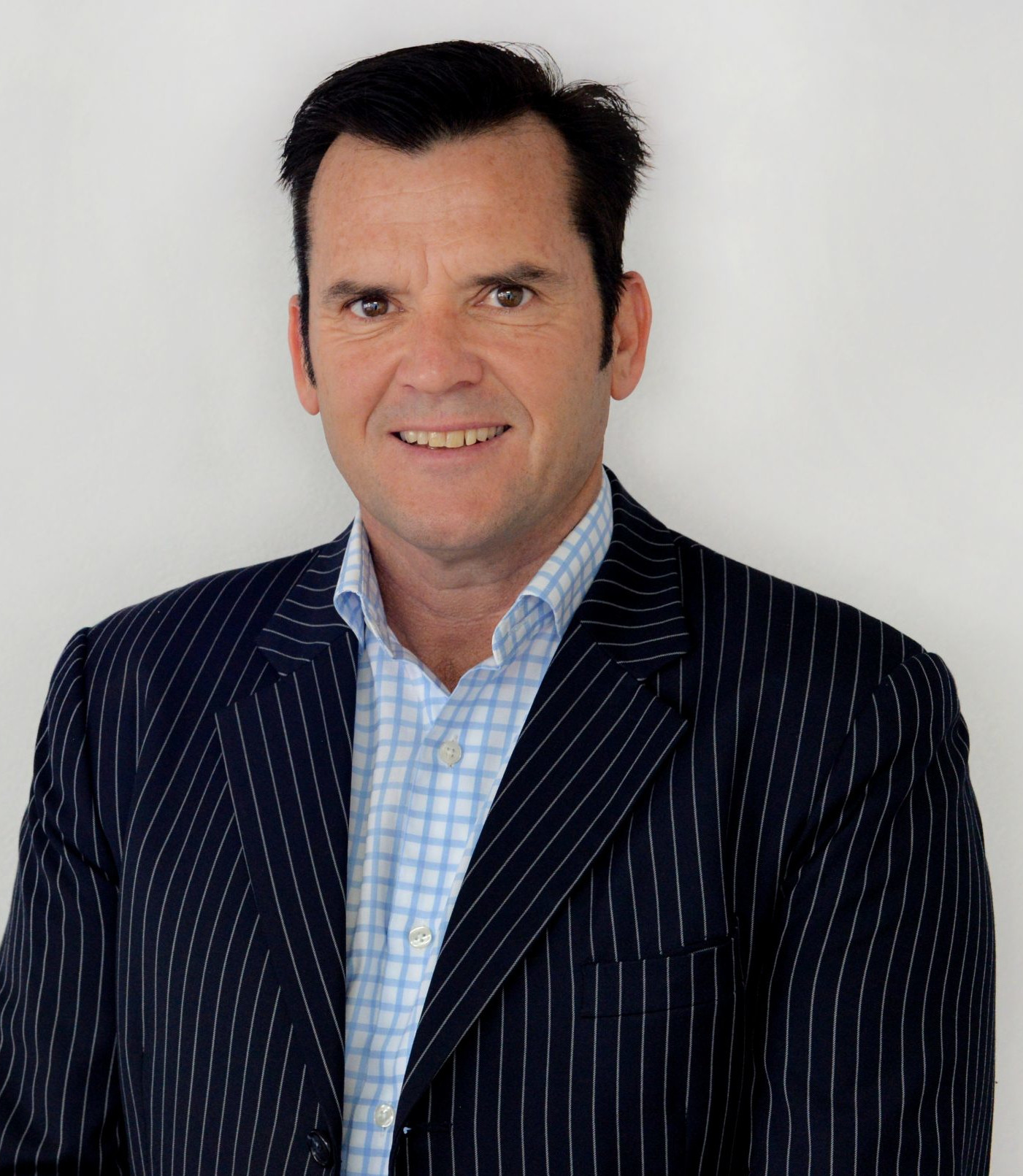
“With an addressable market of $20bn in these targeted on-road sectors alone, Hyzon has plenty of near-term demand to tap into,” Craig Knight, CEO of Hyzon, tells Hydrogen Economist.
“When it comes to vehicle assembly, we have no need to build a million square foot vehicle assembly plant, which minimises capex requirements. What we have done is partner with companies such as Fontaine Modification, which has assembly plants located all over the US and has excess capacity that enables them to ramp up production as our demand grows.”
Cost of ownership
With this ramp-up, Knight claims Hyzon’s fleet will achieve scale and drive lower costs, resulting in better total cost of ownership economics than diesel heavy vehicle fleets, aided by the captive fleet model and increasing investment in at-scale hydrogen production infrastructure.
“This will improve total cost per mile economics in the near-term to parity with diesel, and reach better than diesel economics over the medium term,” says Knight. Hyzon aims to deploy over 4,000 commercial vehicles by 2023.
The total addressable market for Hyzon is around $200bn. While road transportation is Hyzon’s core focus, the company’s fuel cell has potential in other areas, such as shipping and aviation. The company is projected to be Ebitda positive by 2023, on a sales base of just over 4,000 vehicles, and the business expects to generate Ebitda of more than $0.5bn by 2025.
Separately from the merger announcement, Knight spoke on a panel discussing the build-out of the hydrogen economy at the Baker Hughes annual meeting at the start of February. He said hydrogen has gained impetus from the backing of major corporations, governments and climate-conscious people.
In a statement, Robert Tichio, chairman of the board of DCRB and a partner at Riverstone Holdings, says: “As a differentiated, pure-play, hydrogen-powered mobility company and an emerging leader in the trucking industry, Hyzon is a perfect match for DCRB’s investment criteria and represents a further expansion of Riverstone’s 15-year franchise in low-carbon investments.
“When forming this investment vehicle our objective was clear: to identify a truly exceptional company that is decarbonising the global economy, disrupting an established industry with the commercialization of innovative technologies, and is well aligned with ESG principles. We found that company in Hyzon.”
Author: Che Golden
Related Articles
Connect with H2Tech
